The Importance of Vision Therapy and Its Methodologies
Most people think of vision problems as something corrected by a pair of glasses. But for the millions of people living with amblyopia, strabismus, convergence insufficiency, or other binocular vision disorders, lenses alone cannot restore what the brain has learned to suppress. Vision therapy exists precisely to address this gap. It is a clinically supervised program of exercises and activities designed to retrain the visual system at the neurological level, changing not just how the eyes focus, but how the brain processes and integrates what they see.
This article explains what vision therapy is, why it works, and the key methodologies practitioners use. It also makes the case for why lazy eye games, built on dichoptic training principles, represent a powerful, evidence-backed extension of traditional vision therapy that significantly improves treatment outcomes, especially for patients who struggle with consistency or need supplemental daily practice.
What Vision Therapy Is, and What It Is Not
Vision therapy (VT) is not eye exercises in the conventional sense. It is a structured, progressive rehabilitation program guided by a behavioural optometrist or vision therapist. The goal is to improve the functional visual skills that glasses and contact lenses cannot address: eye teaming (binocular vision), smooth eye movements, accurate focusing, and the brain's ability to interpret visual information correctly.
According to the American Optometric Association, treatment for amblyopia may include a combination of prescription lenses, prisms, vision therapy, and eye patching. Critically, the AOA notes that "in vision therapy, patients learn how to use the two eyes together, which helps prevent lazy eye from reoccurring." This distinguishes vision therapy from patching: patching forces use of the weaker eye in isolation, while vision therapy teaches both eyes to cooperate as a team, targeting the true root of the problem.
A complete vision therapy program typically addresses several interconnected skills in a defined sequence, progressing from basic sensory skills through complex integration tasks. Understanding these layers helps explain why each methodology matters and how they work together.
The Neurological Basis: Why Vision Therapy Works
For decades, it was assumed that amblyopia could only be treated during a narrow "critical period" in early childhood, after which the visual cortex was too fixed to change. This view has been overturned by a body of research that reveals the brain retains far more plasticity than expected, well into adulthood.
Groundbreaking work by Dr. Robert Hess and his colleagues at the Research Institute of the McGill University Health Centre demonstrated that adults with amblyopia can achieve meaningful visual improvement through properly designed training. The key insight was that the traditional patching approach, by forcing the weaker eye to work alone, inadvertently maintained the brain's habit of suppressing that eye's signal. A more effective strategy is to present carefully calibrated input to both eyes simultaneously, at a contrast ratio that prevents suppression and requires the brain to integrate both signals to complete a task.
"The key to improving vision for adults, who currently have no other treatment options, was to set up conditions that would enable the two eyes to cooperate for the first time in a given task."
— Dr. Robert Hess, Director of McGill Vision Research
This principle, exploiting neuroplasticity through binocular cooperation rather than monocular isolation, is the foundation on which all modern vision therapy methodologies are built. The brain can be retrained. The right stimulation, presented consistently, will change the neural pathways that govern how vision is processed.
Core Vision Therapy Methodologies
A well-designed vision therapy programme draws on several distinct but complementary methodologies. Each targets a specific layer of the visual system. Together, they rebuild the foundation for normal binocular vision.
1. Dichoptic Training
Dichoptic training is the most scientifically validated methodology for treating amblyopia in both kids and adults. It presents different visual information to each eye simultaneously, requiring the brain to combine the two inputs to complete a task. By carefully balancing the contrast of what each eye sees, the therapist can prevent the dominant eye from overwhelming the weaker one, forcing true binocular cooperation.
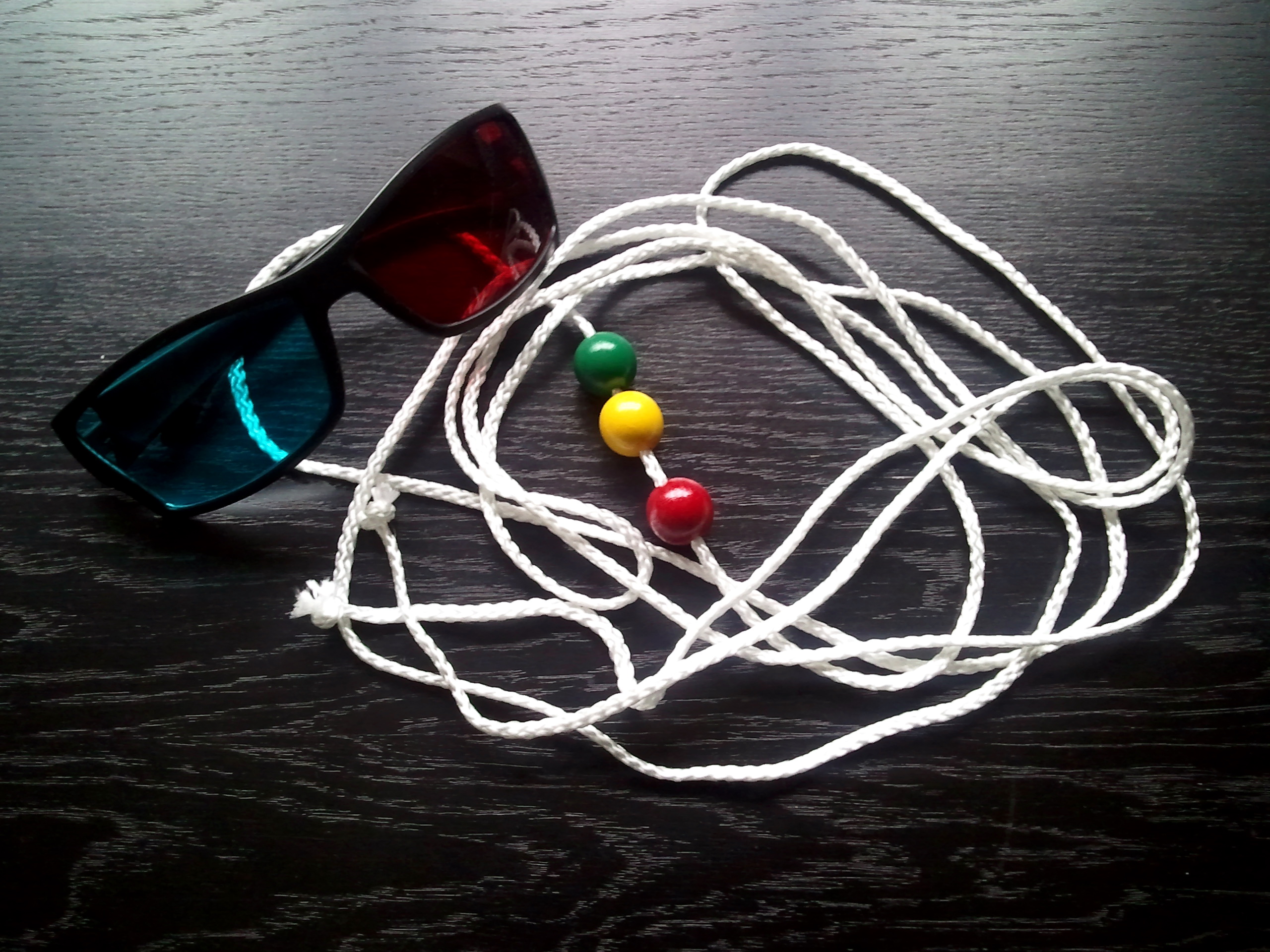
Classic in-clinic dichoptic tools include anaglyph cards and glasses (where red and green lenses present different targets to each eye), mirror stereoscopes, and head-mounted devices. The McGill study published in Current Biology showed that adults who trained dichoptically with a video game improved their weaker eye significantly in just two weeks, a result that far outpaced improvement from patching alone during the same period.
Dichoptic training is the direct scientific ancestor of lazy eye games. Every game in the Lazy Eye Games collection is built on exactly this principle: color-separated game elements are viewed through anaglyph glasses, presenting different information to each eye and compelling the brain to fuse both streams to play effectively.
2. Binocular Fusion Training
Binocular fusion is the brain's ability to combine the slightly different images from each eye into a single, unified perception. This process is the foundation of depth perception (stereopsis) and comfortable, fatigue-free vision. In amblyopia and strabismus, this fusion process is disrupted or absent.
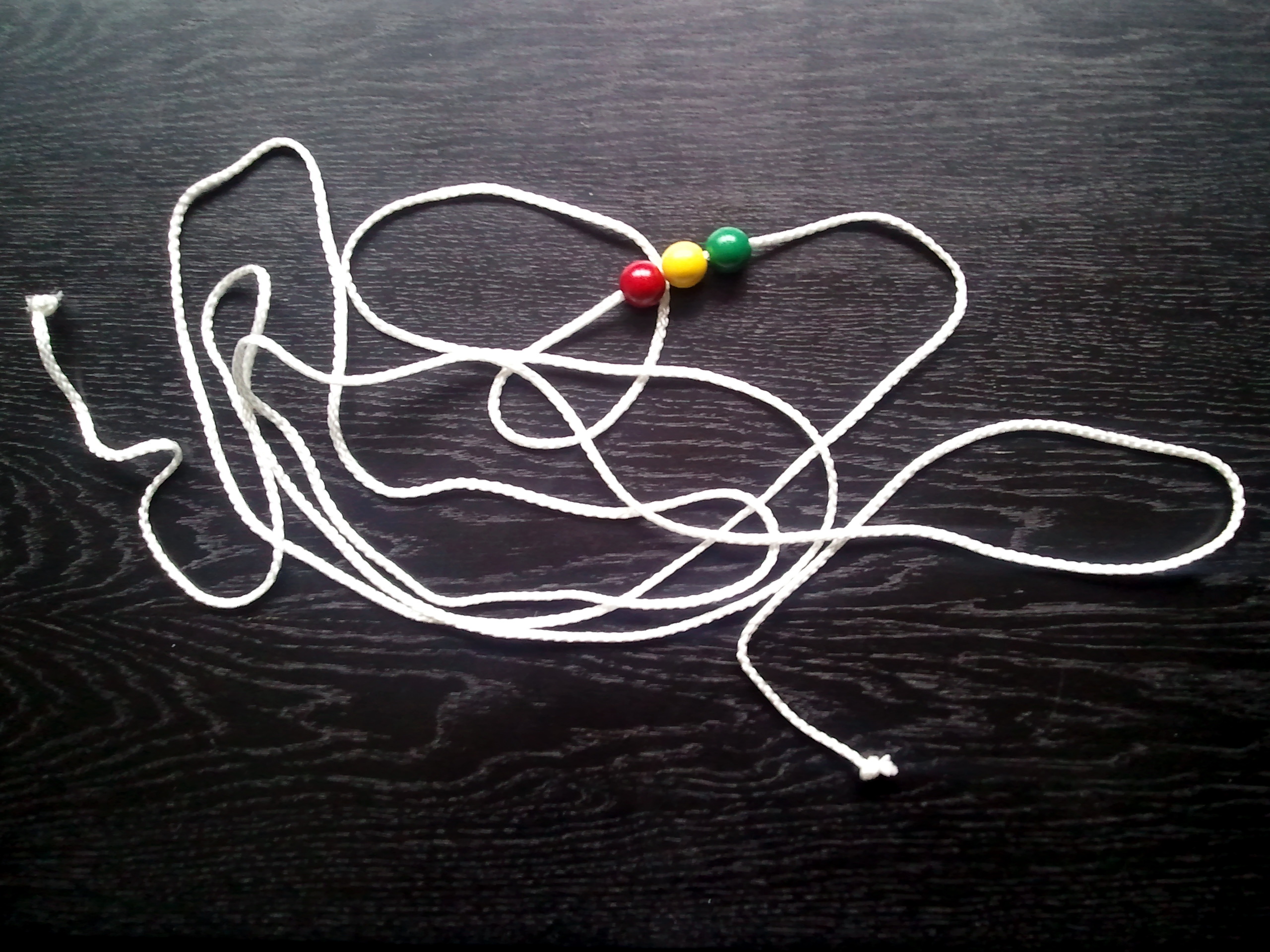
Fusion training begins with gross fusion tasks, simply getting both eyes to converge on the same target, and progresses to fine stereoscopic discrimination. Tools include the Brock String (which provides real-time physiological feedback about which eye is fixating), the Barrel Card, free-space fusion cards (eccentric circles), and tranaglyphs. All of these require the visual system to hold both images simultaneously and merge them, directly exercising the suppression mechanisms that cause lazy eye.
The parallel in lazy eye games: every frame of gameplay requires the player's brain to merge the left-eye and right-eye inputs to see the complete game environment. A player who cannot fuse simply cannot play, making engagement itself the measure of therapeutic success.
3. Accommodative (Focus) Training
Accommodation is the eye's ability to change its focal length, shifting focus from near to far and back again quickly and accurately. In many patients with binocular vision disorders, accommodation is reduced in the amblyopic eye, lagging behind the dominant eye and contributing to blurred vision at near distances.
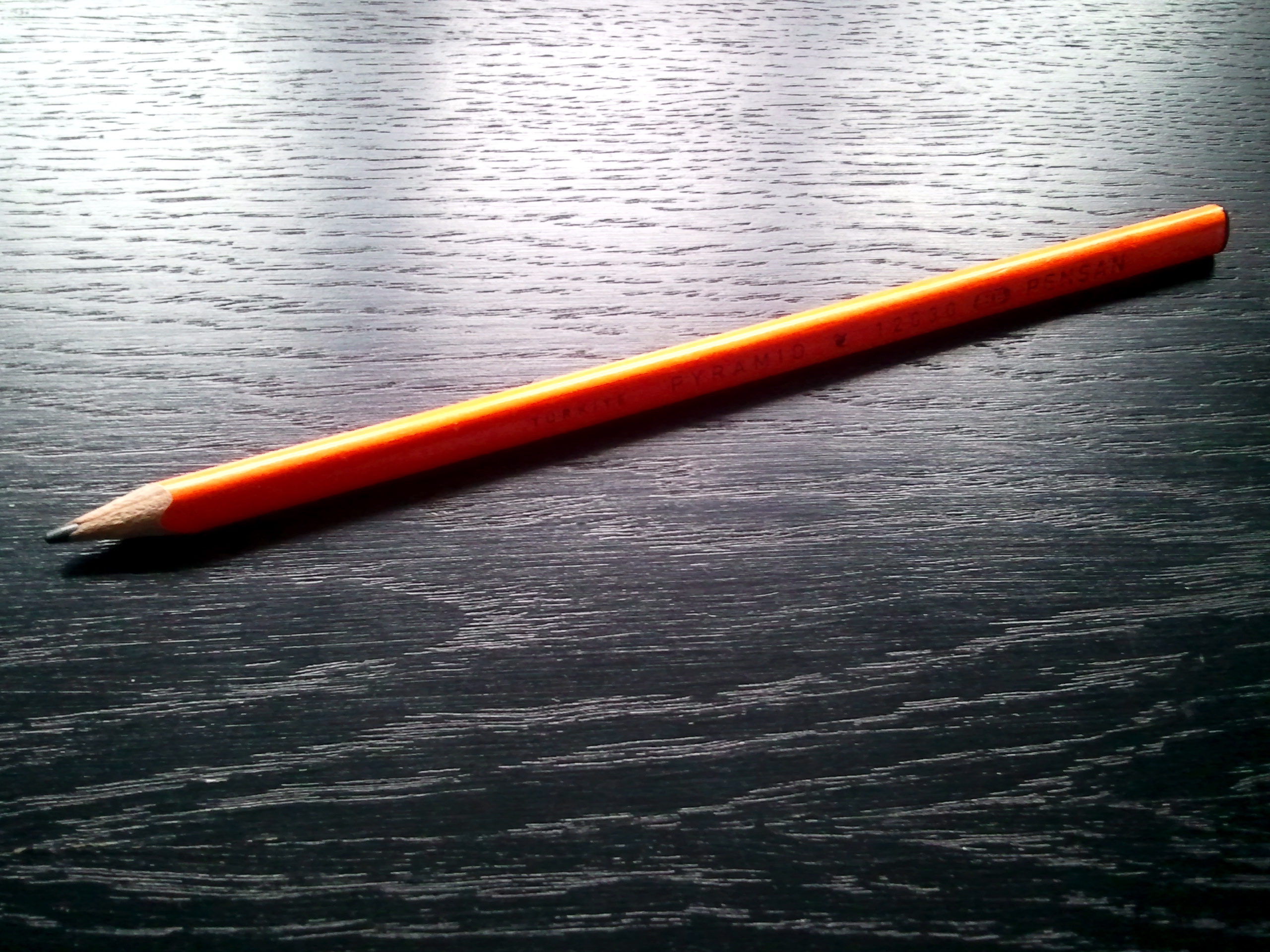
Accommodative training exercises include pencil push-ups, lens flippers (alternating between positive and negative lenses to force rapid refocusing), and accommodative rock exercises using near-far letter charts. The standard clinical metric is the amplitude of accommodation, the reciprocal of the nearest distance at which the target remains clear, which can be significantly improved with targeted training.
Fast-paced lazy eye games naturally challenge accommodative flexibility. As game elements move rapidly across the screen at varying apparent depths, the focusing system must respond quickly and accurately. This passive accommodative demand occurs throughout every session, supplementing formal accommodative exercises with high repetition counts that would be tedious to achieve otherwise.
4. Eye Movement Training (Oculomotor Therapy)
The eyes rely on three distinct movement systems: saccades (rapid jumps between fixation points, as in reading), smooth pursuit (tracking a moving target), and vergence (converging or diverging to maintain single vision as objects approach or recede). Each is separately trainable and separately impaired in different conditions.
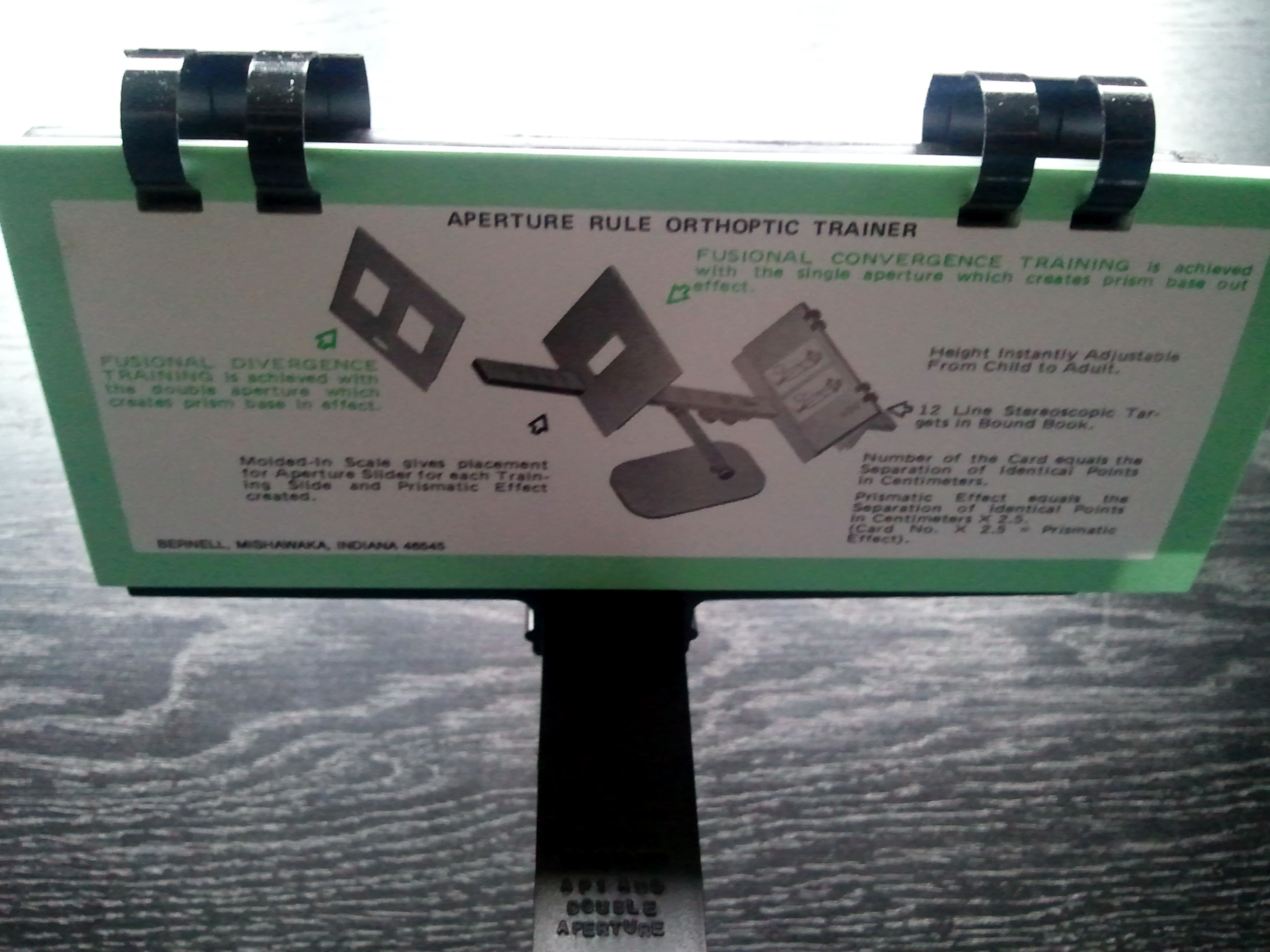
Oculomotor therapy exercises include aperture rule training (which isolates convergence and divergence demands), Hart chart saccades, and tracking exercises with moving targets. The aperture rule in particular allows progressive loading: the card is moved along a calibrated rail to increase or decrease the vergence demand systematically, making it one of the most precise tools available for convergence insufficiency.
All action-based lazy eye games are continuous vergence and saccade workouts. Tracking a falling block in Lazy Eye Blocks, following the ball in Lazy Eye Breaker, or predicting the path of obstacles in Lazy Eye Jump & Fly all require rapid, accurate eye movements that would be classified as oculomotor training in a clinical context. The difference is that patients are doing this for twenty minutes of engaged play rather than three minutes of drilled exercises.
5. Sensory Fusion and Stereopsis Training
Stereopsis, three-dimensional depth perception, is achieved when both eyes send slightly different images to the visual cortex, which interprets the difference as depth. It is the highest-level binocular skill and is often significantly reduced or absent in patients with amblyopia or strabismus. Restoring stereopsis is both a goal of therapy and an indicator of its success.
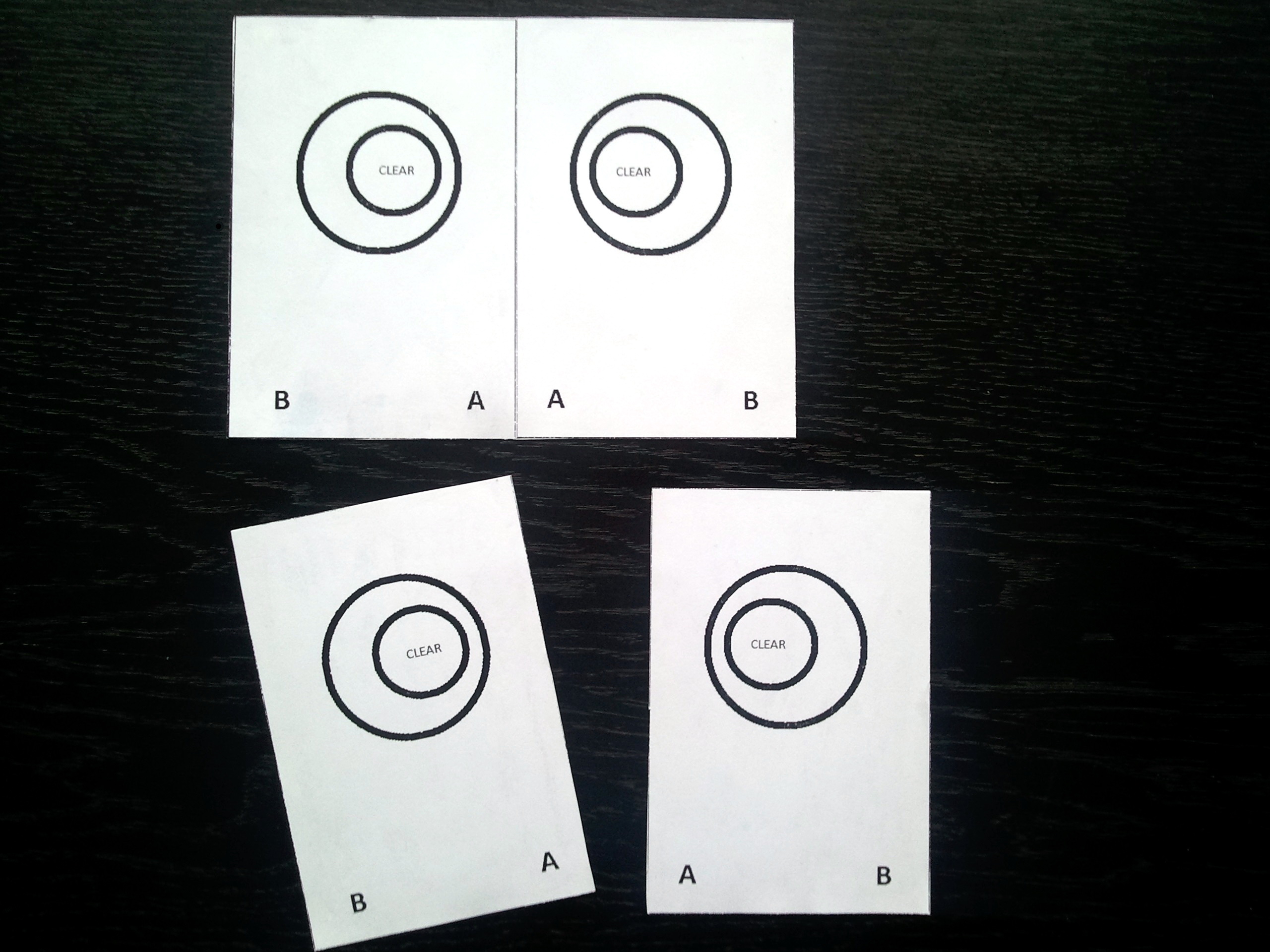
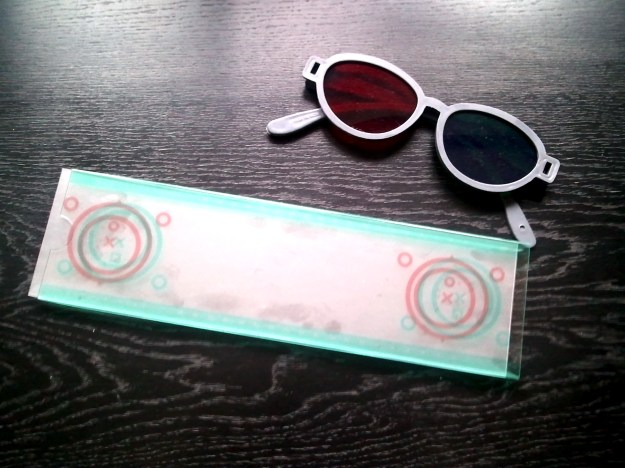
Stereopsis training uses instruments such as the stereoscope, free-space fusion cards (eccentric circles), tranaglyphs, and the Brewster or Wheatstone stereoscope. These tools systematically challenge the brain to extract depth information from binocular disparity, building the cortical connections that support 3D vision.
Anaglyph-based lazy eye games produce genuine stereoscopic cues. The offset between the red and green channels, combined with the convergence required to maintain single binocular vision during play, creates conditions directly analogous to clinical stereopsis exercises. Many users who begin with essentially zero stereoacuity report a gradual emergence of depth perception during their training course.
How These Methodologies Address the Root Cause
Each methodology described above targets a different aspect of the same underlying problem: the brain has learned to suppress or ignore input from one eye. That suppression is not a passive absence of signal, it is an active inhibitory mechanism that the visual cortex applies to prevent diplopia (double vision) when the eyes do not cooperate perfectly.
Vision therapy works by repeatedly creating conditions that make suppression difficult or counterproductive. When the task can only be completed by using both eyes, and the task is engaging enough to sustain effort, the visual system must gradually restructure its processing to accommodate both inputs. Over time, the suppression is reduced, visual acuity in the weaker eye improves, and binocular cooperation becomes the brain's default.
This is why the sequence of methodologies matters. Dichoptic training and fusion exercises create the initial conditions for both eyes to cooperate. Accommodative training ensures each eye can focus accurately once the brain begins using it. Oculomotor training builds the motor precision needed for smooth, coordinated eye movements. Stereopsis training consolidates the gains into high-level 3D spatial awareness. Skip any layer and the results are incomplete.
Why Lazy Eye Games Significantly Increase Treatment Success
The most scientifically rigorous treatment protocol will fail if the patient does not adhere to it. Compliance is one of the biggest documented challenges in amblyopia treatment, particularly for kids who resist patching, and for adults who lack access to a therapist or find formal exercises monotonous. This is where lazy eye games make a decisive difference.
Mechanical Alignment with Vision Therapy Principles
Lazy eye games are not games that happen to be good for the eyes. They are dichoptic training instruments in the form of games. Color-separated game elements viewed through anaglyph glasses implement the same dichoptic principle validated in the McGill studies. Each game session performs oculomotor training (tracking, saccades, vergence), demands binocular fusion to see the complete game environment, stimulates accommodative flexibility, and creates real stereoscopic cues. In a single 20-minute gaming session, a player may complete hundreds of vergence cycles and thousands of saccadic movements, a volume of therapeutic repetition that is impractical to achieve through drilled clinical exercises.
Compliance and Engagement
Research consistently shows that compliance is the single largest predictor of treatment outcomes in amblyopia therapy. Patching compliance in kids has been reported as low as 40–50% in real-world settings. For clinical vision therapy, the dropout rate increases sharply after the first few weeks as novelty fades and the exercises feel repetitive.
Games solve this problem through intrinsic motivation. Scores, levels, and the challenge of improvement are powerfully compelling in a way that holding a pencil at arm's length is not. Users who might manage three minutes of pencil push-ups often sustain twenty to thirty minutes of game-based training because the activity itself is rewarding. That five-to-ten-fold increase in daily practice time compresses the timeline for meaningful visual improvement.
Treatment Available at Any Time
In-clinic vision therapy is typically practised one hour per week, with home exercises supplementing the sessions. A well-designed home programme might add two to three sessions of 15–20 minutes each. Lazy eye games fit naturally into this home programme, but they also extend the treatment opportunity to situations where formal exercises would be impossible: a commute, a lunch break, or an evening wind-down. Daily, accessible training builds the neural habit faster than weekly or twice-weekly sessions.
Adult Treatment Without Clinical Barriers
Many adults with amblyopia were told as kids that it was too late to treat their condition. Modern research refutes this, but access to qualified behavioural optometrists remains uneven, and the cost of weekly clinical sessions over several months is prohibitive for many patients. Lazy eye games offer these adults a research-aligned training modality they can use independently, potentially achieving meaningful gains even without formal clinical supervision.
The Complete Vision Therapy Treatment Stack
The most effective approach to amblyopia and binocular vision disorders combines every available tool in a structured sequence:
- Accurate refraction and prescription lenses , ensuring each eye receives the clearest possible image before training begins.
- Clinical vision therapy , professionally supervised sessions that target each methodology in a structured, progressive programme tailored to the individual's specific deficits.
- Home vision therapy exercises , Brock String, Barrel Card, Pencil Push-Ups, and other exercises between sessions to maintain momentum and build habits. (See our Vision Therapy Exercises guide for step-by-step instructions on each tool.)
- Daily lazy eye game training , dichoptic game sessions that deliver high-volume, engaging neurological training every day, reinforcing every skill developed in clinical and home exercise sessions.
Each element addresses something the others do not. Clinical supervision provides assessment, personalisation, and progression. Home exercises build specific skills in isolation. Lazy eye games provide the high-volume, engaging daily repetition that accelerates neuroplastic change. Together, they form a complete treatment stack that any motivated patient can implement.
Choosing the Right Approach for Your Situation
If you or your child have been diagnosed with amblyopia, strabismus, or a binocular vision disorder, the first step is always a comprehensive assessment with a behavioural optometrist or developmental optometrist who specialises in vision therapy. They can identify exactly which visual skills are affected and design a programme that addresses each in the correct sequence.
If clinical vision therapy is not accessible or affordable, or if you are seeking to supplement an existing programme, lazy eye game training offers a scientifically grounded, low-cost alternative that you can start today. Begin with the correct anaglyph glasses for your device (see the Choosing 3D Glasses guide), calibrate carefully using the in-game colour calibration tool (described in the Setup Instructions), and aim for at least 20 minutes of daily practice.
Vision can improve at any age. The neuroplasticity that makes vision therapy effective does not disappear after childhood , it simply requires the right kind of stimulation, applied consistently. That is exactly what a well-designed lazy eye game, played through properly calibrated anaglyph glasses, provides.